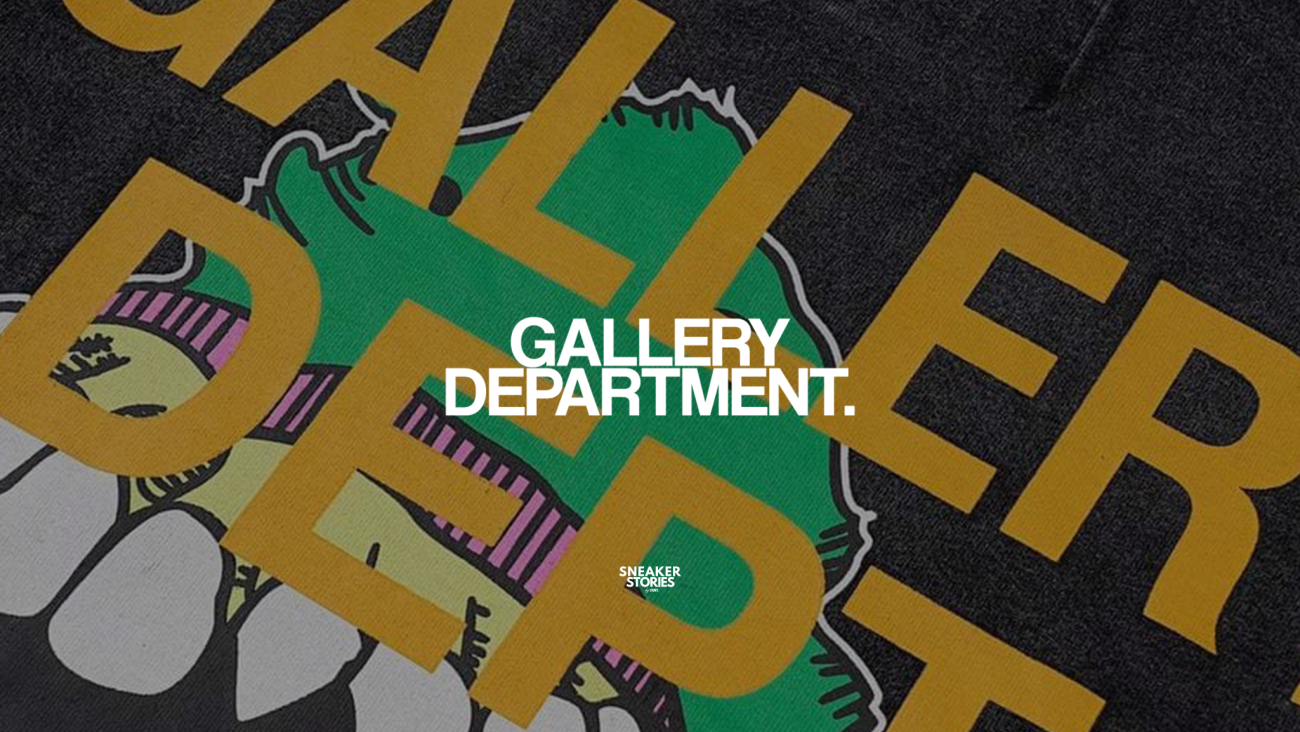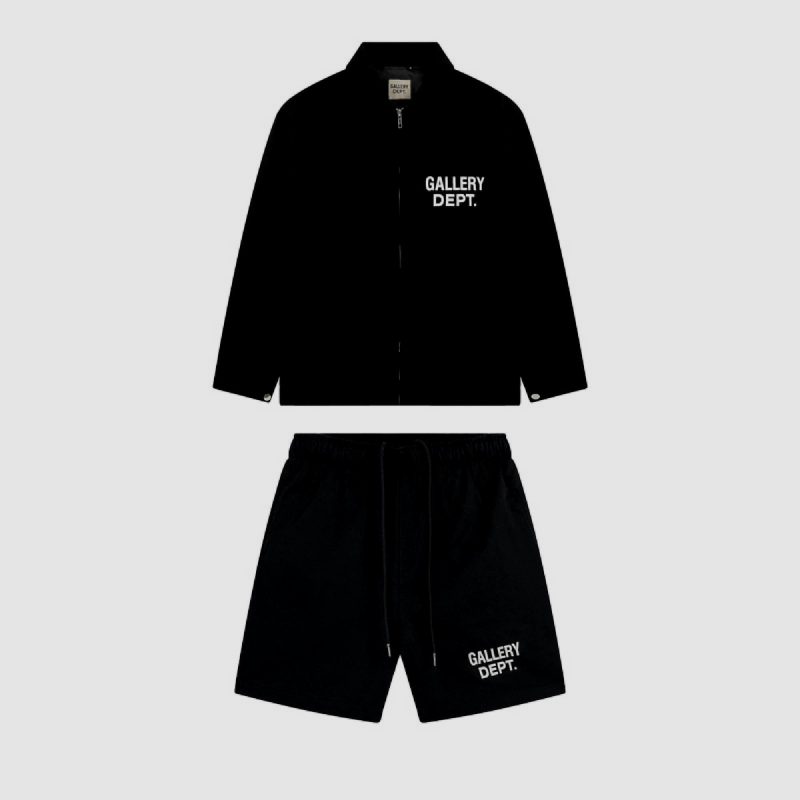
In the ever‑dynamic world of modern fashion, Gallery Dept has emerged as one of the most influential and talked‑about brands of the past decade. More than just clothing, Gallery Dept represents a fusion of art, culture, and streetwear—where every piece feels like a unique expression rather than a mass‑produced garment. Its rise has been driven by creativity, craftsmanship, and a rebellious attitude toward traditional fashion norms.
Where It All Started:
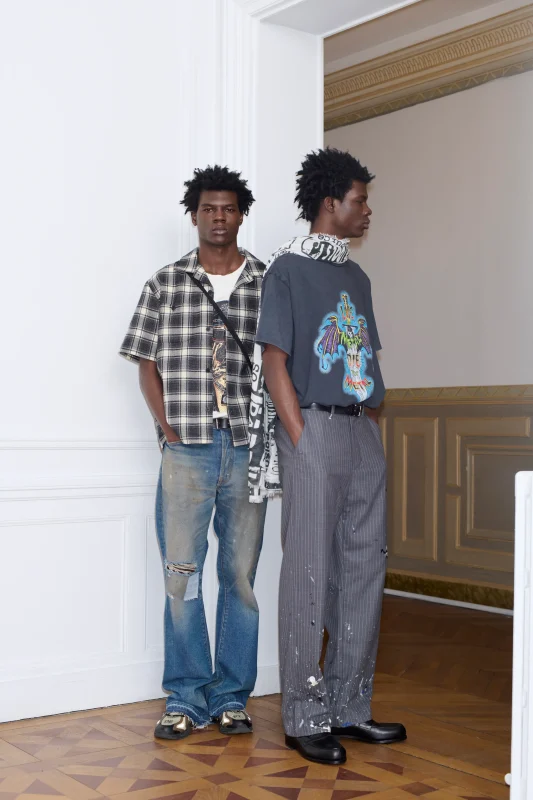
Gallery Dept was founded by Josué Thomas, a multidisciplinary artist and designer with deep roots in Los Angeles culture. What began as a creative project quickly evolved into a fashion phenomenon. Instead of following typical streetwear formulas, the brand challenged conventions by turning clothing into a canvas—applying paint, distressing, collage techniques, and one‑of‑a‑kind details across its collections.
This art‑first mindset separates Gallery Dept from many other brands. Its pieces feel handcrafted, personal, and imbued with the designer’s aesthetic vision rather than dictated by seasonal trends.
Artistry at the Core:
Gallery Dept Clothing operates where fashion meets fine art. Many garments go through processes more similar to an artist’s studio than a traditional factory. Shirts, denim, and sweatshirts might be:
- Hand‑painted with brush strokes
- Stenciled or tie‑dyed in custom patterns
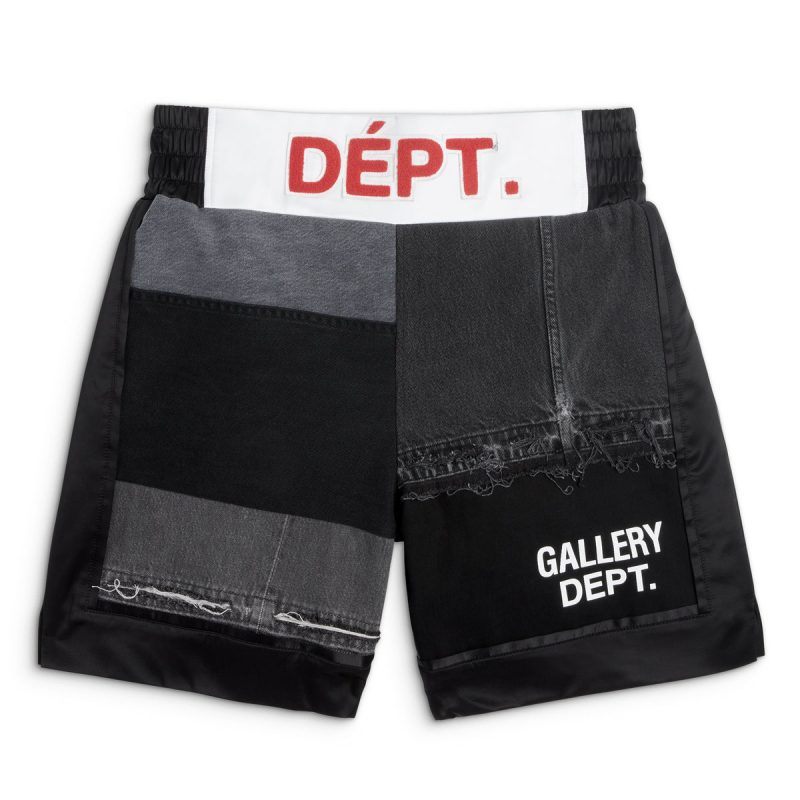
- Deconstructed and reassembled
- Treated with intentional fading and distressing
This experimental touch transforms everyday clothing into wearable art. No two pieces are ever exactly the same, which gives the brand an organic, creative appeal.
Unique Design Identity:
Gallery Dept’s aesthetic is instantly recognizable. It’s raw and expressive, yet intellectually grounded in contemporary culture. Some signature elements include:
- Oversized silhouettes
- Distressed fabrics and intentional imperfections
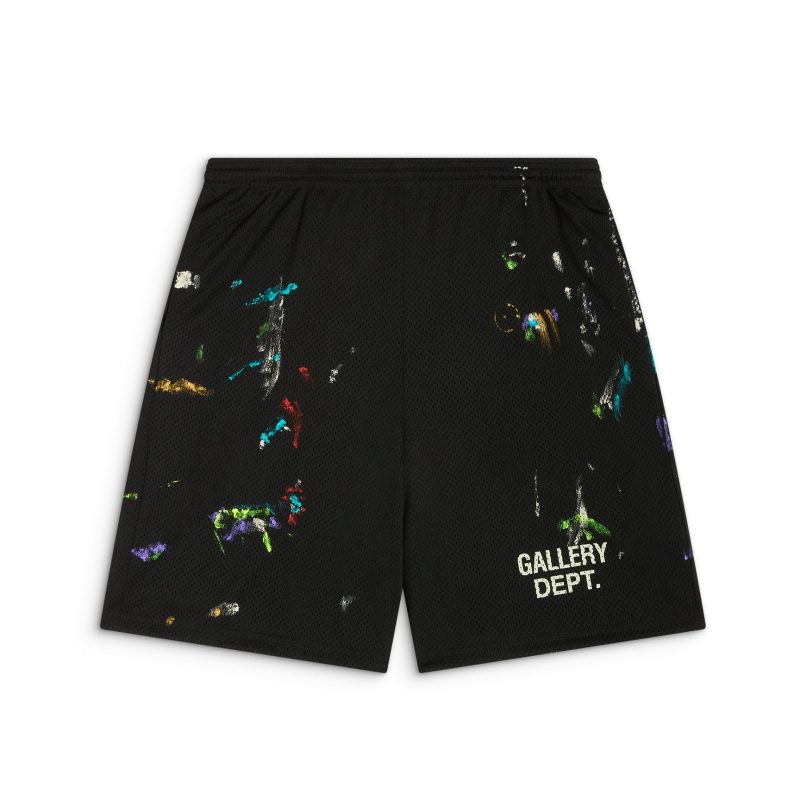
- Paint marks, graphic logos, and scribbled details
- Bold yet unpredictable color palettes
This combination feels both edgy and thoughtful, attracting individuals who view fashion as self‑expression rather than mere adornment.
Pieces That Define the Brand:
Below are some of Gallery Dept’s most iconic garments that have shaped its reputation:
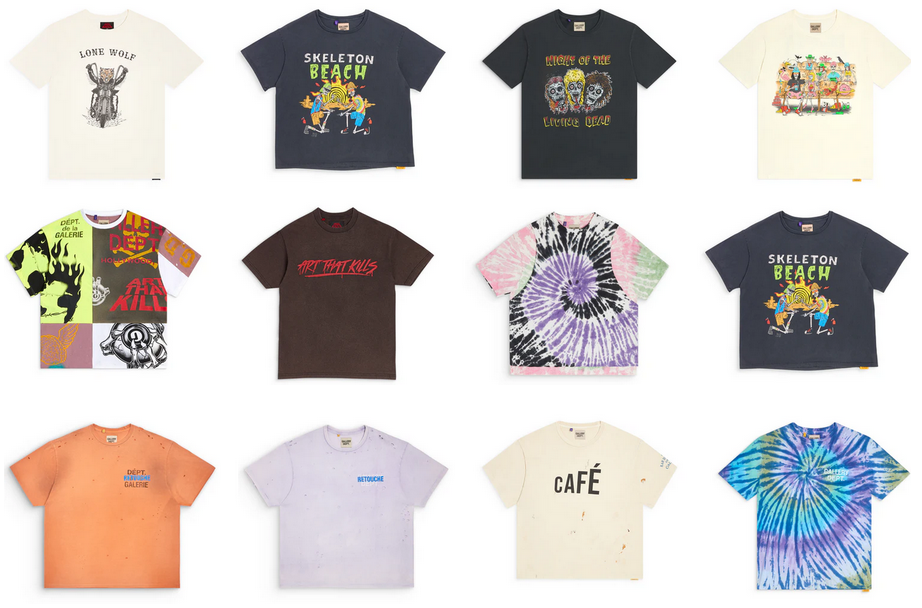
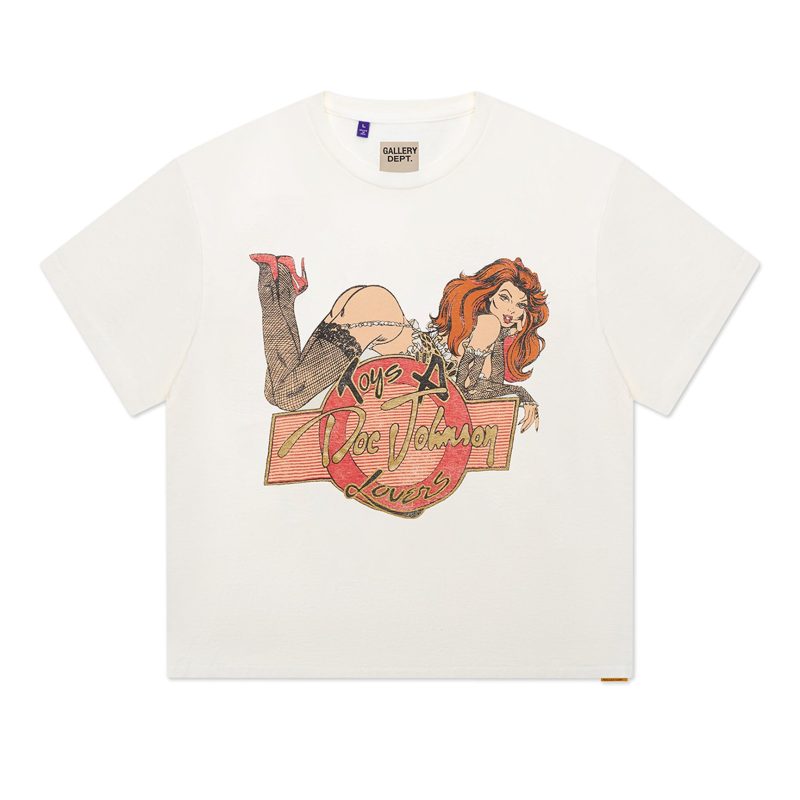
Signature T‑Shirts
The brand’s tees often feature:
- Hand‑drawn graphics
- Oversized fits
- Subtle branding
Many shirts look like canvases—paint smudges, artwork fragments, and unique details make them feel collectible.
Distressed Denim
Gallery Dept’s jeans and denim jackets are widely celebrated. Each pair often includes:
- Custom distressing and rips
- Artistic paint splatters
- Patchwork or reworked fabric
This level of treatment makes them stand apart from typical washed denim.
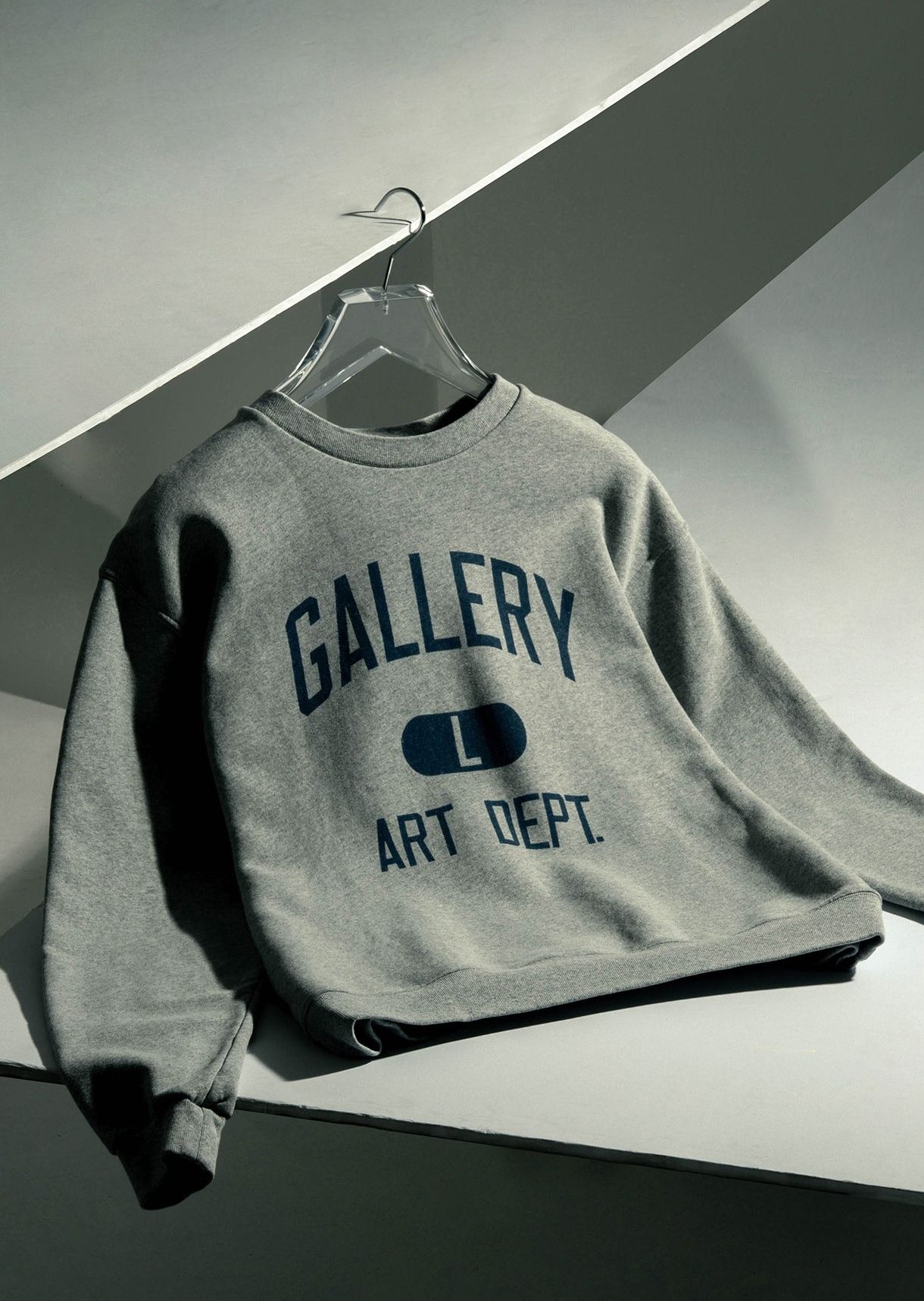
Hoodies and Sweatshirts
With premium fabrics and creative detailing, these pieces strike a balance between comfort and high‑end artwear. Simple garments become statements when crafted with intention and unique character.
The Appeal of Imperfection:
In a world dominated by fast fashion and perfectly polished garments, Gallery Dept embraces flaws as features. Distressed edges, paint strokes, and uneven prints are not accidents—they are deliberate artistic choices. This narrative of imperfection resonates with fashion lovers who value authenticity and individuality over homogenized trends.
By turning imperfections into stylistic assets, Gallery Dept invites wearers to reject uniformity and embrace personal expression.
Street Culture Meets Fine Art
Gallery Dept doesn’t fit neatly into a single category. It draws from:
- Streetwear culture
- Contemporary art
- DIY aesthetics
- Vintage and heritage design
This hybrid identity gives the brand broad appeal—from artists and creatives to fashion forward trendsetters.
The brand’s LA roots also lend a cultural backdrop that feels authentic and influential. It captures a lifestyle where art and everyday living intersect, something that resonates globally beyond its origin city.
Celebrity Influence and Cultural Impact:
Gallery Dept’s rise has been amplified by its presence within celebrity and influencer culture. A‑list personalities and musicians have been spotted wearing its pieces, often pairing them with high‑end designer brands or vintage classics.
This ability to mix across styles has helped Gallery Dept become a versatile choice in modern wardrobes, appealing to people who want something bold and expressive yet refined.
Craftsmanship and Quality:
Beyond visual appeal, Gallery Dept emphasizes material quality and construction. Garments are made to last, with heavy‑weight fabrics, thoughtful tailoring, and processes that bring texture and depth. Even distressed pieces are solidly built, balancing artistry with durability.
This focus on craftsmanship adds functional value to what could otherwise feel like purely aesthetic clothing.
Final Thoughts:
Gallery Dept isn’t just a brand—it’s a cultural movement. It reimagines what fashion can be by blurring the lines between art, identity, and everyday wear. Each piece tells a story, whether through hand‑painted details, intentional imperfections, or deconstructed elements that challenge the norm. By elevating clothing into expressive art, Gallery Dept has carved out a unique place in contemporary fashion—a space where creativity is celebrated, individuality is encouraged, and every garment feels like a personal statement. In an industry often driven by trends, Gallery Dept reminds us that authenticity always stands out.